
Najnowsze artykuły
 ArtykułyWeź udział w konkursie i wygraj pakiet książek Callie Hart!
 10
10 Artykuły„Odpowiedź kryje się w tobie” – Katarzyna Wolwowicz zdradza, jak ją odnaleźć1
 ArtykułyNowa karkonoska powieść Sławka Gortycha! „ŚWIĘTO KARKONOSZY”- już wkrótce! KONKURS120
 ArtykułyWielkanocna chwila odpoczynku z literaturą – okazje na ebooki do -95% i ranking top tytułów2
Popularne wyszukiwania






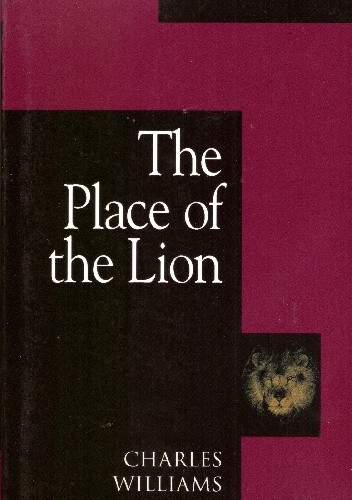
The Place of the Lion
236 str. 3 godz. 56 min.
- Kategoria:
- fantasy, science fiction
- Format:
- papier
- Data wydania:
- 2003-01-01
- Data 1. wydania:
- 2003-01-01
- Liczba stron:
- 236
- Czas czytania
- 3 godz. 56 min.
- Język:
- angielski
- ISBN:
- 9781573831086
Platonic archetypes begin to appear throughout England, wreaking havoc and drawing to the surface the spiritual strengths and flaws of individual characters.
First published by Gollancz 1931


Reklama Szukamy ofert...
Kup The Place of the Lion w ulubionej księgarni
Porównywarka z najlepszymi ofertami księgarń
W naszej porównywarce znajdziesz książki, e-booki i audiobooki z najpopularniejszych księgarń internetowych. Niektórzy partnerzy przygotowują dla użytkowników naszego serwisu specjalne rabaty, dlatego warto kupować książki przez lubimyczytać.pl. Oferty są prezentowane w trzech kategoriach: „Oferta dnia” (promocje partnerów),„Polecane księgarnie” (sprawdzeni partnerzy handlowi, z którymi współpracujemy na podstawie umów) oraz „Pozostałe”. W każdej kategorii kolejność prezentacji zależy od ceny produktu przekazanej przez księgarnie lub dostawcę porównywarki. Lubimyczytać.pl nie prowadzi sprzedaży i nie uczestniczy w procesie zakupowym po przekierowaniu na stronę sklepu. Mimo że dokładamy starań, aby wszystkie linki i informacje były aktualne, nie mamy wpływu na ewentualne nieścisłości cenowe, błędne przekierowania lub zmiany w ofertach księgarni. Jeśli zauważysz nieprawidłowość, prosimy o zgłoszenie jej na adres: admin@lubimyczytac.pl. Dzięki Twojej informacji możemy jeszcze lepiej dbać o jakość działania naszej porównywarki.
W naszej porównywarce znajdziesz książki, e-booki i audiobooki z najpopularniejszych księgarń internetowych. Niektórzy partnerzy przygotowują dla użytkowników naszego serwisu specjalne rabaty, dlatego warto kupować książki przez lubimyczytać.pl. Oferty są prezentowane w trzech kategoriach: „Oferta dnia” (promocje partnerów),„Polecane księgarnie” (sprawdzeni partnerzy handlowi, z którymi współpracujemy na podstawie umów) oraz „Pozostałe”. W każdej kategorii kolejność prezentacji zależy od ceny produktu przekazanej przez księgarnie lub dostawcę porównywarki. Lubimyczytać.pl nie prowadzi sprzedaży i nie uczestniczy w procesie zakupowym po przekierowaniu na stronę sklepu. Mimo że dokładamy starań, aby wszystkie linki i informacje były aktualne, nie mamy wpływu na ewentualne nieścisłości cenowe, błędne przekierowania lub zmiany w ofertach księgarni. Jeśli zauważysz nieprawidłowość, prosimy o zgłoszenie jej na adres: admin@lubimyczytac.pl. Dzięki Twojej informacji możemy jeszcze lepiej dbać o jakość działania naszej porównywarki.
Szukamy ofert...





Oceny książki The Place of the Lion
Poznaj innych czytelników
5 użytkowników ma tytuł The Place of the Lion na półkach głównych- Chcę przeczytać 4
- Przeczytane 1
- Literatura 1
- Fantasy 1
- Angielski/fantastyczne 1
- Posiadam 1
- Czytane w oryginale (oprócz książek polskich) 1












OPINIE i DYSKUSJE o książce The Place of the Lion
W swojej trzeciej powieści Williams pozostaje dosyć trudny w odbiorze - zarówno język, jak i mistyczno-filozoficzna tematyka stawiają opór - ale zdaje się, że nauczył się pisać fabuły i lektura zaczyna sprawiać autentyczną przyjemność. Pomysł jest niesamowity: aniołowie, czyste zasady rzeczywistości, platońskie idee - jakkolwiek to nazwać - zstępują na ziemię, a ich skondensowana istota rozrywa tkankę naszego świata. Williams pokazuje różne ludzkie reakcje na tę niezwykłą przemianę: od panicznego strachu, poprzez żądzę zapanowania nad pozaziemskimi siłami, aż po ich przyjęcie i zatracenie się w nich (a może odnalezienie się?). Przepiękne, poruszające, a czasem przerażające opisy transformacji materii przez idee, niezłe studium zadufanej doktorantki Damaris, która odkrywa ostatecznie, o co naprawdę chodzi w filozofii, którą od tak dawna badała, a na koniec triumf miłości i przyjaźni - i jeszcze więcej rzeczy, o których trudno chyba pisać inaczej, niż zrobił to Williams, tym zawiłym, a jednocześnie osobliwie precyzyjnym językiem, nieprzekładalnym na żaden inny. Odzyskałam wiarę w "trzeciego Inklinga" i liczę, że kolejne jego książki będą jeszcze lepsze.
W swojej trzeciej powieści Williams pozostaje dosyć trudny w odbiorze - zarówno język, jak i mistyczno-filozoficzna tematyka stawiają opór - ale zdaje się, że nauczył się pisać fabuły i lektura zaczyna sprawiać autentyczną przyjemność. Pomysł jest niesamowity: aniołowie, czyste zasady rzeczywistości, platońskie idee - jakkolwiek to nazwać - zstępują na ziemię, a ich...
więcejOznaczone jako spoiler Pokaż mimo to