


 Artykuły„Ostatni smrek” Marii Gąsienicy-Zawadzkiej trzyma w napięciu do ostatniej strony
 1
1 ArtykułyNie jesteśmy skazani na powtarzanie błędów, ale jesteśmy na to podatni2
Artykuły
Gdy prawdy powiedzieć nie możesz, a kłamać nie chcesz 1
1 ArtykułySportowa opowieść o sile dziecięcego charakteru – „Akademia Piłkarska. #1 Gra się zaczyna”2





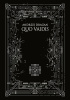
The Real Story of Catholic History: Answering Twenty Centuries of Anti-Catholic Myths

- Kategoria:
- religia
- Format:
- papier
- Tytuł oryginału:
- The Real Story of Catholic History: Answering Twenty Centuries of Anti-Catholic Myths
- Data wydania:
- 2017-10-05
- Data 1. wydania:
- 2017-10-05
- Liczba stron:
- 257
- Czas czytania
- 4 godz. 17 min.
- Język:
- angielski
- ISBN:
- 1683570499
Anti-Catholics like to paint Church teachings in a way that makes them seem vain, backward, or superstitious, all in the hope of drawing people out of the Faith and into sects or unbelief. Catholic apologists fight back with facts and sound arguments. But there’s another area where the Church’s enemies tell their own false story of its history. Whether it’s from the media, in classrooms, or out of the mouths of pastors and politicians, we’ve all heard a version of Catholic history filled with unrelenting violence, ignorance, worldliness, and bigotry. It’s enough to make many believers question whether the Church truly was founded by Christ! This kind of attack requires no less of a response from those who know the truth. In The Real Story of Catholic History, Steve Weidenkopf gives it to you. Weidenkopf (The Glory of the Crusades) collects over fifty of the most common and dangerous lies about Catholic history and, drawing on his experience as a historian and apologist, shows how to answer them simply and powerfully. Whether it’s claims about Catholicism’s supposedly pagan origins, old myths about Galileo or the Inquisition that never seem to go away, or more modern misconceptions that anti-Catholics cynically exploit, The Real Story provides the desperately needed corrective. Packed with research and diligent in pursuit of the truth, while never whitewashing or explaining away the Church’s past faults when they’re found, The Real Story of Catholic History is an essential resource for every Catholic’s bookshelf.
Appendix:
A detailed List of chapter titles:
Introduction
Combatting Anti-Catholic Historical Myths
SECTION I
The Early Church
1 Jesus was not a real person. He was a mythical figure created by Christians.
2 The Christian faith is just a repackaging of pagan myths.
3 Christians borrowed Christmas and Easter from pagans.
4 Catholic beliefs about the Blessed Virgin Mary are derived from pagan sources.
5 Shortly after Christ founded the Church, it underwent an apostasy, becoming the corrupt Catholic Church. The true Christian Faith went underground until the Protestant Reformation.
6 The Catholic Church caused the fall of the Roman Empire.
7 The Catholic Church suppressed certain books of the Bible (for instance, the gnostic Gospels) to control Jesus' message.
8 Emperor Constantine made Christianity the official religion of the Roman Empire, thus institutionalizing the Catholic perversion of the true biblical faith.
9 The early Christians believed Jesus was just a prophet, and not divine. The Catholic Church at the Council of Nicaea in 325 altered that belief by declaring Jesus to be God.
SECTION II
The Middle Ages
10 The collapse of Rome ushered in the Dark Ages of ignorance and misery.
11 After the fall of Rome, the Church persecuted pagans and practiced conversion by the sword.
12 The Church began mandating clerical celibacy during the Middle Ages so that it could acquire the clergy's family property.
13 Medieval churches kept bibles chained up to prevent people from reading Scripture for themselves.
SECTION III
The Crusades
14 The Church called the Crusades to slaughter Muslims.
15 Crusaders were motivated by greed.
16 Medieval Islamic culture was far superior to that of Catholic Europe.
17 The Crusades are the reason for modern Islamic hostility toward the West.
SECTION IV
The Inquisition
18 The Church created the Inquisition to enforce absolute conformity in religious belief throughout Europe.
19 The Inquisition frequently used sadistic torture methods, and killed millions of people.
20 The Inquisition controlled the minds of Catholics by creating an Index of Forbidden Books.
21 The Inquisition initiated the great witch hunts in Europe and the New World, leading to millions of innocent women being burned at the stake.
SECTION V
Renaissance and Reformation
22 The Renaissance witnessed a revival of classical arts and culture, which the medieval Church had long suppressed.
23 The Church forcibly castrated boys to preserve their high voices for singing in church choirs.
24 The Church is opposed to science, and persecuted Galileo for teaching that the earth revolves around the sun.
25 The Church sold indulgences and ecclesiastical offices. These abuses led to the Protestant Reformation.
26 Corruption in the Church was so bad that only something radical like the Reformation could fix it.
27 Luther and other Reformers were the first to translate Scripture into vernacular languages, which the Church had previously forbidden.
28 The Reformers were holy men who struggled heroically to free the true Christian faith from the superstitions of Rome.
29 After freeing Europe from the clutches of the Catholic Church, the Protestant Reformation inaugurated an era of peace and prosperity.
30 Queen Elizabeth I of England ushered in a new golden age for her people, who greeted the new Church of England enthusiastically.
SECTION VI
The Modern World
31 In the twentieth century, the Church was the willing tool of fascists.
32 Pope Pius XII did nothing to help the Jews during World War II.
33 After World War II, the Church helped fugitive Nazis escape justice.
34 The Church prohibits birth control to control women's lives, and to increase the number of Catholics.
35 The Church seeks to impose its teachings on democratic societies by telling its members how to vote.
SECTION VII
The Papacy
36 There was once a female pope named Joan.
37 The history of the papacy is rife with greedy, lustful, worldly, and incompetent popes.
38 Throughout the Church's history, popes have been concerned mainly with acquiring wealth and political power.
39 The pope is the Antichrist, and the Church is the Whore of Babylon.
40 The early Church did not recognize the primacy of the papacy.
SECTION VIII
Missionary Activity
41 The Church sent missionaries around the world in search of gold and land for European kings.
42 Catholic missionaries mistreated, enslaved, and forcibly converted native peoples in the New World.
43 Catholic missionaries worked as spies for foreign governments, and were rightly punished and executed for it.
44 Christopher Columbus was an agent of Western imperialism, cultural destruction, and genocide.
SECTION IX
A Mixed Bag
45 The Church is one of the wealthiest organizations in the world.
46 The Catholic Church is responsible for more wars than anything else in history.
47 Sexual abuse is a pervasive problem among Catholic clergy, probably because of mandatory celibacy.
48 The Church is, and always has been, an oppressor of women.
49 Shadowy organizations such as the Knights Templar and Opus Dei have at various times secretly controlled the Church.
50 The Church has a long and ugly history of anti-Semitism.
51 The Church used to approve of or at least tolerate slavery.
52 The Church's teaching on homosexuality has changed, since there used to be a Catholic marriage rite for same-sex couples.
53 Marie Antoinette was a selfish and decadent Catholic queen who callously told her starving subjects to 'eat cake.'
54 The alleged 'Miracle of the Sun' at Fátima, Portugal, in 1917, was actually a mass delusion.
55 Catholic historians cannot be trusted because their faith compromises their objectivity.
Afterword


Kup The Real Story of Catholic History: Answering Twenty Centuries of Anti-Catholic Myths w ulubionej księgarni
W naszej porównywarce znajdziesz książki, e-booki i audiobooki z najpopularniejszych księgarń internetowych. Niektórzy partnerzy przygotowują dla użytkowników naszego serwisu specjalne rabaty, dlatego warto kupować książki przez lubimyczytać.pl. Oferty są prezentowane w trzech kategoriach: „Oferta dnia” (promocje partnerów),„Polecane księgarnie” (sprawdzeni partnerzy handlowi, z którymi współpracujemy na podstawie umów) oraz „Pozostałe”. W każdej kategorii kolejność prezentacji zależy od ceny produktu przekazanej przez księgarnie lub dostawcę porównywarki. Lubimyczytać.pl nie prowadzi sprzedaży i nie uczestniczy w procesie zakupowym po przekierowaniu na stronę sklepu. Mimo że dokładamy starań, aby wszystkie linki i informacje były aktualne, nie mamy wpływu na ewentualne nieścisłości cenowe, błędne przekierowania lub zmiany w ofertach księgarni. Jeśli zauważysz nieprawidłowość, prosimy o zgłoszenie jej na adres: admin@lubimyczytac.pl. Dzięki Twojej informacji możemy jeszcze lepiej dbać o jakość działania naszej porównywarki.
 Szukamy ofert...
Polecane przez redakcję





Oceny książki The Real Story of Catholic History: Answering Twenty Centuries of Anti-Catholic Myths
Tagi i tematy do książki The Real Story of Catholic History: Answering Twenty Centuries of Anti-Catholic Myths
Czytelnicy tej książki przeczytali również


Cytaty z książki The Real Story of Catholic History: Answering Twenty Centuries of Anti-Catholic Myths
Bądź pierwszy
Dodaj cytat z książki The Real Story of Catholic History: Answering Twenty Centuries of Anti-Catholic Myths
Dodaj cytat
OPINIE i DYSKUSJE o książce The Real Story of Catholic History: Answering Twenty Centuries of Anti-Catholic Myths
Autor stara się przedstawić dlaczego pewne fakty historyczne krążące na temat Kościoła Katolickiego nie są prawdziwe.
Autor przedstawia stronę katolicką w konfliktach jako tą która wykonywała akcje z myślą o duszach owieczek i silnej wiary (np. cenzura, inkwizycja czy wyprawy krzyżowe) - nie dla władzy i pieniędzy - co wg niego wybiela czyny - no i zawsze dodaje że należy pamiętać że takie były czasy i kościół nie był gorszy od władzy cywilnej i ludzi wokoło. Kiedy nie da się zaprzeczyć faktom autor zwala winę na indywidualne osoby którzy nie mogą (wg autora) być traktowani jako reprezentanci kościoła.
Autor nie zagłębia się w złożoności problemów - prezentuje wybiorczo fakty które potwierdzają jego tezy i pomija które mogłyby zaciemnić obraz. Przedstawia niektóre fakty jako bezsprzecznie potwierdzające jego tezę, chociaż chwila logicznego myślenia pozwala na wskazanie niedociągnięć (np. autor twierdzi że fakt iż 100 lata po śmierci Chrystusa są chrześcijanie którzy wierzą że Jezus został ukrzyżowany bezsprzecznie potwierdza istnienie Jezusa) oraz prezentuje opinie jako fakty (np. Kościół katolicki przetrwał bo Bóg tak chciał; protestantyzm doprowadził do zniesienia wpływu Kościoła na państwa co jest przyczyną upadku moralnego). Z powodu braku wiedzy lub w celu przedstawienia swoich tez autor mija się także czasami z prawdą (np. twierdzi że Arianie nie wierzyli w boskość Jezusa).
Nie znaczy to że część obalanych informacji nie jest nie prawdziwa - raczej że konieczność prezentacji Kościoła Katolickiego jako tego kt. ma rację nie pozwala prezentować wszystkich faktów lub je przeinacza. Wiele faktów jest bardziej złożona niż obie strony je prezentują.
Najbardziej męczące było w książce, że w związku z wykrytym przeze mnie fałszowaniem historii wszystkie przedstawione fakty były podejrzane. Zapewne część informacji podanych w książce była prawdziwa, ale autor naciągając historię pod swoją tezę stracił wiarygodność. Można to pokazać na przedstawieniu Marii Antoniny (królowej Francji) - autor przedstawił ją jako osobę bliską świętości - gdyby pokazał, że nie była pustą arystokratką można by założyć że autor prezentuje fakty - jako uosobienie świętości przestaje być realna.
Autor stara się przedstawić dlaczego pewne fakty historyczne krążące na temat Kościoła Katolickiego nie są prawdziwe.
więcejOznaczone jako spoiler Pokaż mimo toAutor przedstawia stronę katolicką w konfliktach jako tą która wykonywała akcje z myślą o duszach owieczek i silnej wiary (np. cenzura, inkwizycja czy wyprawy krzyżowe) - nie dla władzy i pieniędzy - co wg niego wybiela czyny - no i zawsze dodaje że należy...