
-
 Artykuły
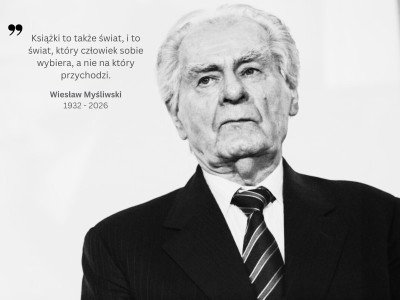
Nie żyje Wiesław Myśliwski. Autor „Kamienia na kamieniu” i „Traktatu o łuskaniu fasoli” miał 94 lata
Artykuły
Nie żyje Wiesław Myśliwski. Autor „Kamienia na kamieniu” i „Traktatu o łuskaniu fasoli” miał 94 lata 30
30 -
 Artykuły
Zaczęłam od tajemnicy. Reszta przyszła sama - rozmowa z Małgorzatą Rogalą
2
Artykuły
Zaczęłam od tajemnicy. Reszta przyszła sama - rozmowa z Małgorzatą Rogalą
2 -
 Artykuły
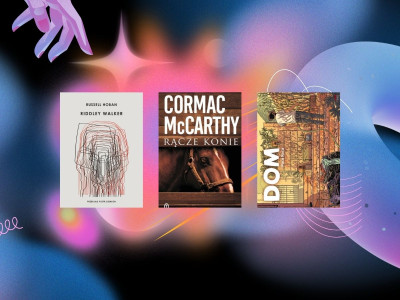
Czytamy w weekend. 27 marca 2026
441
Artykuły
Czytamy w weekend. 27 marca 2026
441 -
 Artykuły
Przeczytaj fragment książki „Zbrodnia w rezydencji“
1
Artykuły
Przeczytaj fragment książki „Zbrodnia w rezydencji“
1




-
 Patronat LC
 -
 Patronat LC


Potęga wizerunków. Studia z historii i teorii oddziaływania

- Kategoria:
- sztuka
- Format:
- papier
- Tytuł oryginału:
- The power of images. Studies in the history and theory of response
- Data wydania:
- 2005-01-01
- Data 1. wyd. pol.:
- 2005-01-01
- Liczba stron:
- 542
- Czas czytania
- 9 godz. 2 min.
- Język:
- polski
- ISBN:
- 8323319758
- Tłumacz:
- Ewa Klekot
Odważna książka na temat reakcji na przedstawienia wizualne [...]. Freedberg pomaga nam dostrzec, że nie można w sposób zadowalający mówić o wizerunkach i sztuce, jeśli nie weźmie się pod uwagę całego bogactwa i zróżnicowania ludzkich reakcji, od niskich impulsów przeważających w odniesieniu do przedstawień popularnych po wyrafinowanie wielkich wizji na przestrzeni wieków. Nie jest to książka o historii sztuki. Dotyczy ona związków między ludźmi i wizerunkami na przestrzeni dziejów. W orbicie swych zainteresowań świadomie umieszcza wszystkie wizerunki, a nie tylko te, które uznaje się za sztukę. Wyrasta ona z wieloletniego przekonania o słuszności poglądów, które historia sztuki w swej tradycyjnej – i najbardziej rozpowszechnionej – postaci albo lekceważy, albo nie potrafi odpowiednio wyrazić.


Kup Potęga wizerunków. Studia z historii i teorii oddziaływania w ulubionej księgarni
W naszej porównywarce znajdziesz książki, e-booki i audiobooki z najpopularniejszych księgarń internetowych. Niektórzy partnerzy przygotowują dla użytkowników naszego serwisu specjalne rabaty, dlatego warto kupować książki przez lubimyczytać.pl. Oferty są prezentowane w trzech kategoriach: „Oferta dnia” (promocje partnerów), „Polecane księgarnie” (sprawdzeni partnerzy handlowi, z którymi współpracujemy na podstawie umów) oraz „Pozostałe”. W każdej kategorii kolejność prezentacji zależy od ceny produktu przekazanej przez księgarnie lub dostawcę porównywarki. Lubimyczytać.pl nie prowadzi sprzedaży i nie uczestniczy w procesie zakupowym po przekierowaniu na stronę sklepu. Mimo że dokładamy starań, aby wszystkie linki i informacje były aktualne, nie mamy wpływu na ewentualne nieścisłości cenowe, błędne przekierowania lub zmiany w ofertach księgarni. Jeśli zauważysz nieprawidłowość, prosimy o zgłoszenie jej na adres: admin@lubimyczytac.pl. Dzięki Twojej informacji możemy jeszcze lepiej dbać o jakość działania naszej porównywarki.
 Szukamy ofert...






Oceny książki Potęga wizerunków. Studia z historii i teorii oddziaływania
Poznaj innych czytelników
117 użytkowników ma tytuł Potęga wizerunków. Studia z historii i teorii oddziaływania na półkach głównych- Chcę przeczytać 81
- Przeczytane 36
- Posiadam 8
- Historia sztuki 5
- Chcę w prezencie 3
- Studia 2
- Sztuka 2
- > sem. mgr 1
- Niedokończone/ czytane fragmentarycznie 1
- We fragmentach 1
Tagi i tematy do książki Potęga wizerunków. Studia z historii i teorii oddziaływania

Czytelnicy tej książki przeczytali również




Cytaty z książki Potęga wizerunków. Studia z historii i teorii oddziaływania
Bądź pierwszy
Dodaj cytat z książki Potęga wizerunków. Studia z historii i teorii oddziaływania
Dodaj cytat
Opinia
Trudna książka z pogranicza historii sztuki, antropologii oraz psychologii. Autor skupia się na różnych aspektach wizerunków, a także - bardziej nawet - na ich oddziaływaniu. Pochwalić należy bardzo szeroki zakres przebadanego materiału. Zakres tak geograficzny i tematyczny jak i chronologiczny. Pracy tej z pewnością nie czyta się łatwo, niemniej z pewnością czytelnik doceni jej wysoki poziom merytoryczny, zwrócenie uwagi na bardzo istotne kwestie dotyczące naszego postrzegania wizerunków w ujęciu historycznym. Do tego bardzo duży korpus ilustracyjny. Książka zdecydowanie in plus, choć znalazło się w niej kilka nieścisłości natury historycznej. Przeszkadzało mi też nieco nadmierne psychologizowanie, choć na dobrą sprawę nie powinno ono specjalnie dziwić w pracy częściowo przynajmniej poświęconej właśnie psychologii. Mnie osobiście najbardziej interesowała jej warstwa historycznosztuczna i w tym względzie się nie zawiodłem.
Trudna książka z pogranicza historii sztuki, antropologii oraz psychologii. Autor skupia się na różnych aspektach wizerunków, a także - bardziej nawet - na ich oddziaływaniu. Pochwalić należy bardzo szeroki zakres przebadanego materiału. Zakres tak geograficzny i tematyczny jak i chronologiczny. Pracy tej z pewnością nie czyta się łatwo, niemniej z pewnością czytelnik...
więcej Oznaczone jako spoiler Pokaż mimo to