















The Divine Economy
- Kategoria:
- nauki społeczne (psychologia, socjologia, itd.)
- Format:
- papier
- Tytuł oryginału:
- The Divine Economy
- Data wydania:
- 2024-05-14
- Data 1. wyd. pol.:
- 2024-05-14
- Liczba stron:
- 504
- Czas czytania
- 8 godz. 24 min.
- Język:
- polski
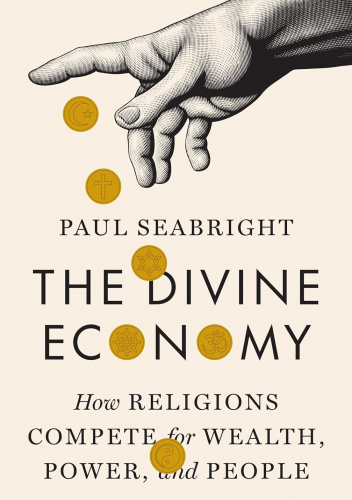
A novel economic interpretation of how religions have become so powerful in the modern world
Religion in the twenty-first century is alive and well across the world, despite its apparent decline in North America and parts of Europe. Vigorous competition between and within religious movements has led to their accumulating great power and wealth. Religions in many traditions have honed their competitive strategies over thousands of years. Today, they are big business; like businesses, they must recruit, raise funds, disburse budgets, manage facilities, organize transportation, motivate employees, and get their message out. In The Divine Economy, economist Paul Seabright argues that religious movements are a special kind of business: they are platforms, bringing together communities of members who seek many different things from one another—spiritual fulfilment, friendship and marriage networks, even business opportunities. Their function as platforms, he contends, is what has allowed religions to consolidate and wield power.
This power can be used for good, especially when religious movements provide their members with insurance against the shocks of modern life, and a sense of worth in their communities. It can also be used for harm: political leaders often instrumentalize religious movements for authoritarian ends, and religious leaders can exploit the trust of members to inflict sexual, emotional, financial or physical abuse, or to provoke violence against outsiders. Writing in a nonpartisan spirit, Seabright uses insights from economics to show how religion and secular society can work together in a world where some people feel no need for religion, but many continue to respond with enthusiasm to its call.
 0,0 / 10
Kup The Divine Economy w ulubionej księgarni
W naszej porównywarce znajdziesz książki, e-booki i audiobooki z najpopularniejszych księgarń internetowych. Niektórzy partnerzy przygotowują dla użytkowników naszego serwisu specjalne rabaty, dlatego warto kupować książki przez lubimyczytać.pl. Oferty są prezentowane w trzech kategoriach: „Oferta dnia” (promocje partnerów),„Polecane księgarnie” (sprawdzeni partnerzy handlowi, z którymi współpracujemy na podstawie umów) oraz „Pozostałe”. W każdej kategorii kolejność prezentacji zależy od ceny produktu przekazanej przez księgarnie lub dostawcę porównywarki. Lubimyczytać.pl nie prowadzi sprzedaży i nie uczestniczy w procesie zakupowym po przekierowaniu na stronę sklepu. Mimo że dokładamy starań, aby wszystkie linki i informacje były aktualne, nie mamy wpływu na ewentualne nieścisłości cenowe, błędne przekierowania lub zmiany w ofertach księgarni. Jeśli zauważysz nieprawidłowość, prosimy o zgłoszenie jej na adres: admin@lubimyczytac.pl. Dzięki Twojej informacji możemy jeszcze lepiej dbać o jakość działania naszej porównywarki.
 Szukamy ofert...




















OPINIE i DYSKUSJE o książce The Divine Economy