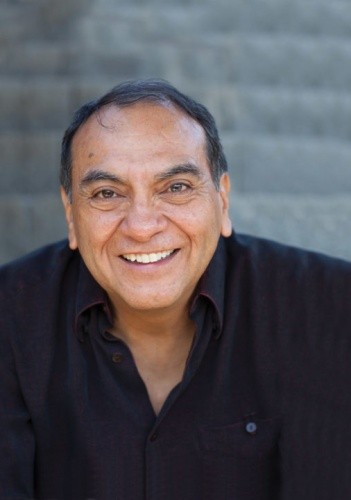
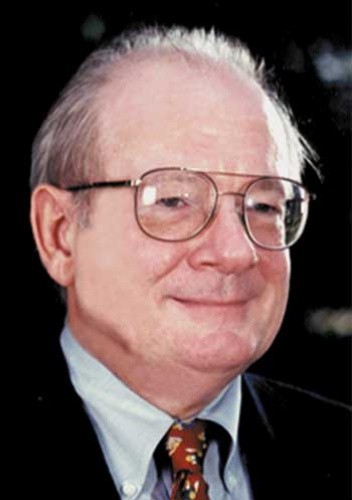
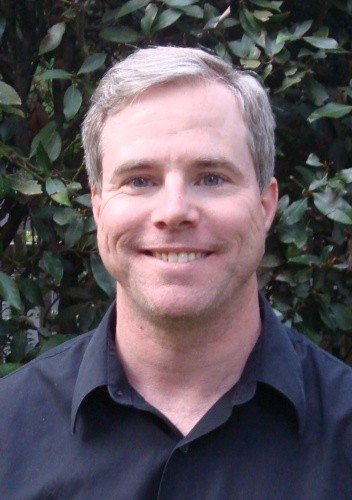
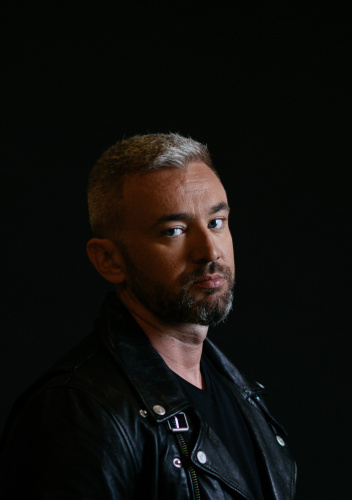
Greg M. Epstein serves as the humanist chaplain at Harvard University and at the Massachusetts Institute of Technology (MIT). For over two decades, he has built a unique career as one of the world’s most prominent humanist chaplains—professionally trained members of the clergy who support the ethical and communal lives of nonreligious people.
Described as a “godfather to the [humanist] movement” by The New York Times Magazine, Epstein was also named “one of the top faith and moral leaders in the United States” by Faithful Internet, a project coordinated by the United Church of Christ with assistance from the Stanford Law School Center for Internet and Society, for his efforts to bring together atheists, agnostics, and allies, as part of an ancient and ever-evolving ethical tradition that can be called humanism. As Greg believes deeply: in a changing world where faith in humankind can be more difficult to maintain, it is more important than ever to fight for our common humanity, and for each other.
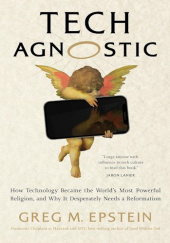
Greg’s New York Times bestselling book, “Good Without God: What a Billion Nonreligious People Do Believe,” remains influential years after helping popularize the notion that the rapidly growing population of secular people can live lives of deep purpose, compassion, and connection. He began writing his latest book, "Tech Agnostic: How Technology Became the World’s Most Powerful Religion, in 2018 upon joining MIT alongside his work at Harvard, followed by an 18-month residency at leading Silicon Valley publication TechCrunch, exploring how tech is changing what it means to be human, often in troubling ways. Tech Agnostic was named 2024’s Book of the Year by the Porchlight Business Book Awards, in the “Big Ideas & New Perspectives” category; one of the best religion and spirituality books of 2024 by Religion News Service; and one of the best AI books of 2024 by the Artificiality Book Awards. His writing has also appeared in TIME, The Boston Globe, MIT Technology Review, CNN.com, The Washington Post, Popular Science, Nautilus, The Ink, and Big Think.
Greg has contributed, as speaker or organizer, to thousands of humanist and interfaith programs at Harvard and elsewhere—universities, community and state colleges, urban public and expensive private high schools, the Democratic National Convention, U.S. Congress and Senate, megachurches, synagogues, Islamic centers, hospitals, prisons, and many more. He recently served a term as president of the Harvard Chaplains, Harvard University’s corps of over forty chaplains.

 Artykuły„Odpowiedź kryje się w tobie” – Katarzyna Wolwowicz zdradza, jak ją odnaleźć
 1
1 ArtykułyNowa karkonoska powieść Sławka Gortycha! „ŚWIĘTO KARKONOSZY”- już wkrótce! KONKURS
 ArtykułyWielkanocna chwila odpoczynku z literaturą – okazje na ebooki do -95% i ranking top tytułów
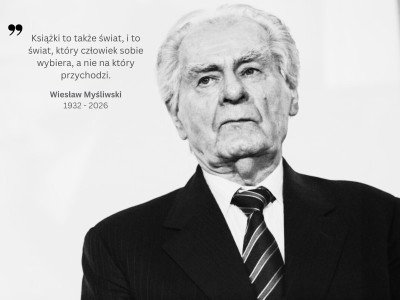 ArtykułyNie żyje Wiesław Myśliwski. Autor „Kamienia na kamieniu” i „Traktatu o łuskaniu fasoli” miał 94 lata